Cracks and fractures
A crack in a tooth can be difficult to detect, and symptoms may range from brief sharp pain to persistent discomfort. A thorough examination helps identify the cause and determine whether the tooth can be preserved.
Pain from a previously treated tooth?
Cracks and small fractures can cause a wide range of symptoms. Some patients experience pain when chewing, while others notice sensitivity to cold or intermittent sharp discomfort. Symptoms can be difficult to localise, making diagnosis challenging.
During chewing, the cracked portions of the tooth may move slightly relative to one another. This can irritate the pulp and cause brief, sharp pain. When pressure is released, the crack may close and the pain may quickly subside. Over time, the pulp can become irreversibly affected, resulting in persistent pain even without biting pressure.
In some cases, bacteria can penetrate through the crack and cause infection involving the pulp and root apex. The infection may then spread to the surrounding bone and tissues.
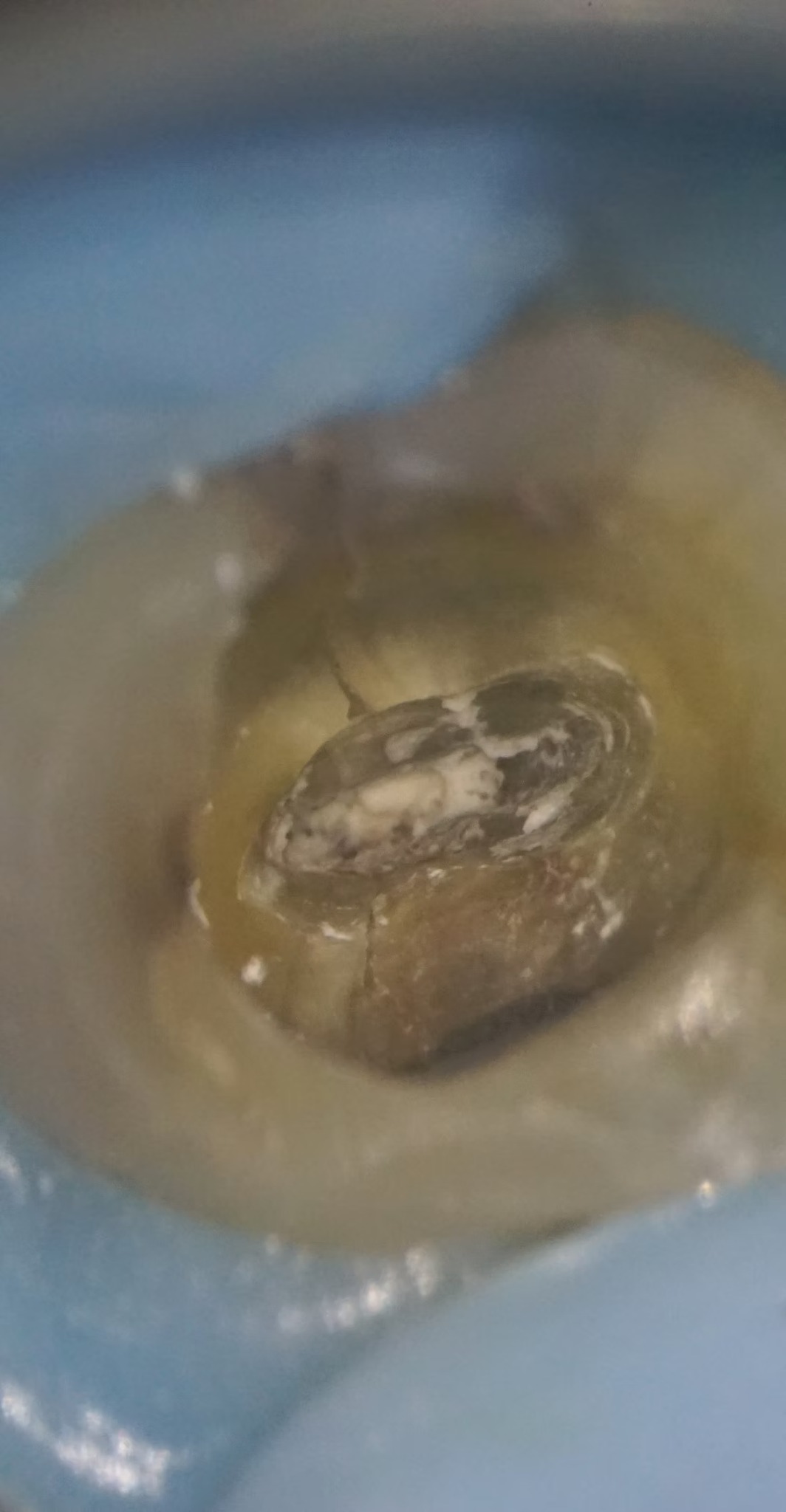
A common cause of dental problems
Cracks are a common reason why teeth become weakened or are lost. The risk often increases with age, as teeth are exposed to years of chewing forces, clenching, restorations and wear.
Some cracks develop suddenly, for example when biting on something hard or overloading a heavily restored tooth. Others develop gradually and may initially cause few or no symptoms. Many cracks are therefore only discovered when the tooth becomes painful or sensitive.
Typical symptoms of a cracked tooth
Symptoms vary depending on the depth of the crack and whether the pulp is affected. Common signs include:
- Pain or discomfort when chewing
- Sharp pain on release after biting
- Sensitivity to cold or heat
- Intermittent pain that may be difficult to localise
- Tenderness around the tooth
- Persistent pain in more severe cases
If a cracked tooth is suspected, it is important to arrange an examination promptly. Early diagnosis can often improve the chances of preserving the tooth and reduce the risk of further damage or infection.
How is a crack examined and treated?
A crack can be difficult to see on a conventional radiograph. The dentist therefore often combines several tests, such as a bite test, cold testing, periodontal probing and magnified examination. Additional imaging may be appropriate in selected cases.
Treatment depends on the location and depth of the crack and the condition of the tooth. Some teeth can be protected with a filling or crown. Root canal treatment may be required if the pulp is affected. Unfortunately, a deep crack extending into the root may mean that the tooth cannot be saved. An individual assessment is therefore essential.
Have the tooth examined
If you experience pain when biting or recurring sharp pain, an examination can help establish the cause and assess treatment options.