Root canal treatment Preserve your natural tooth
Root canal treatment is a procedure used to save a tooth when its pulp has become inflamed, infected or damaged.
Learn about root canal treatmentWhen the dental pulp is damaged
Inside the tooth is soft tissue called the pulp, often referred to as the tooth’s nerve. The pulp contains blood vessels and nerves and is protected within the root canal system.
When bacteria reach the pulp, inflammation or infection may develop. Common causes include:
- Deep dental decay
- A cracked or damaged tooth
- Repeated dental procedures on the same tooth
- Trauma to the tooth
- Leaking restorations
Once the pulp is irreversibly damaged, it cannot heal on its own. Without treatment, infection may spread into the tissues surrounding the root and ultimately lead to tooth loss.
The aim of root canal treatment is to eliminate infection, relieve pain and preserve the tooth so that it can continue to function for many years.
VIDEO · UNDERSTANDING ROOT CANAL TREATMENT
The video is only loaded from YouTube when you press play.
How root canal treatment works
Find out what happens during root canal treatment and how a careful approach can relieve pain and preserve your natural tooth.
Modern root canal treatment is a precise, minimally invasive procedure performed under local anaesthesia.
Examination and radiographs
The tooth is examined thoroughly and radiographs are taken to assess the extent of infection and the anatomy of the root canals.
Local anaesthesia
The tooth and surrounding area are numbed to make the procedure as comfortable as possible.
Accessing the root canals
A small opening is made in the tooth to gain access to the root canals.
Cleaning the root canals
Inflamed or necrotic pulp tissue is carefully removed. The root canals are then thoroughly cleaned and disinfected.
Filling the root canals
Once the canals have been cleaned, they are filled and sealed with a suitable material to help prevent bacterial reinfection.
Restoring the tooth
Finally, the tooth is restored with a filling or, often, a crown to protect its strength and function. Some treatments can be completed in one visit, while more complex cases require several appointments.
A closer look at root canal treatment
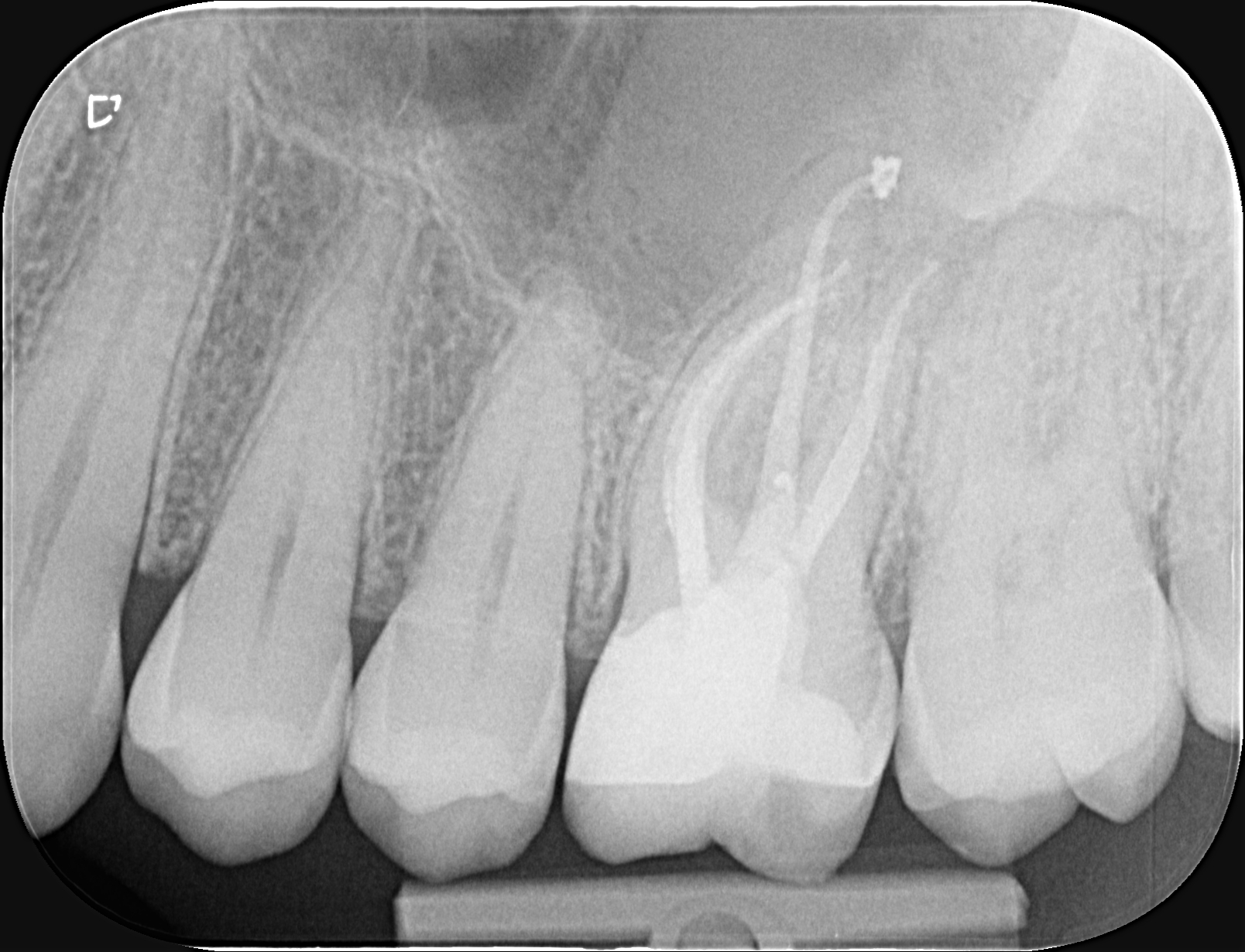
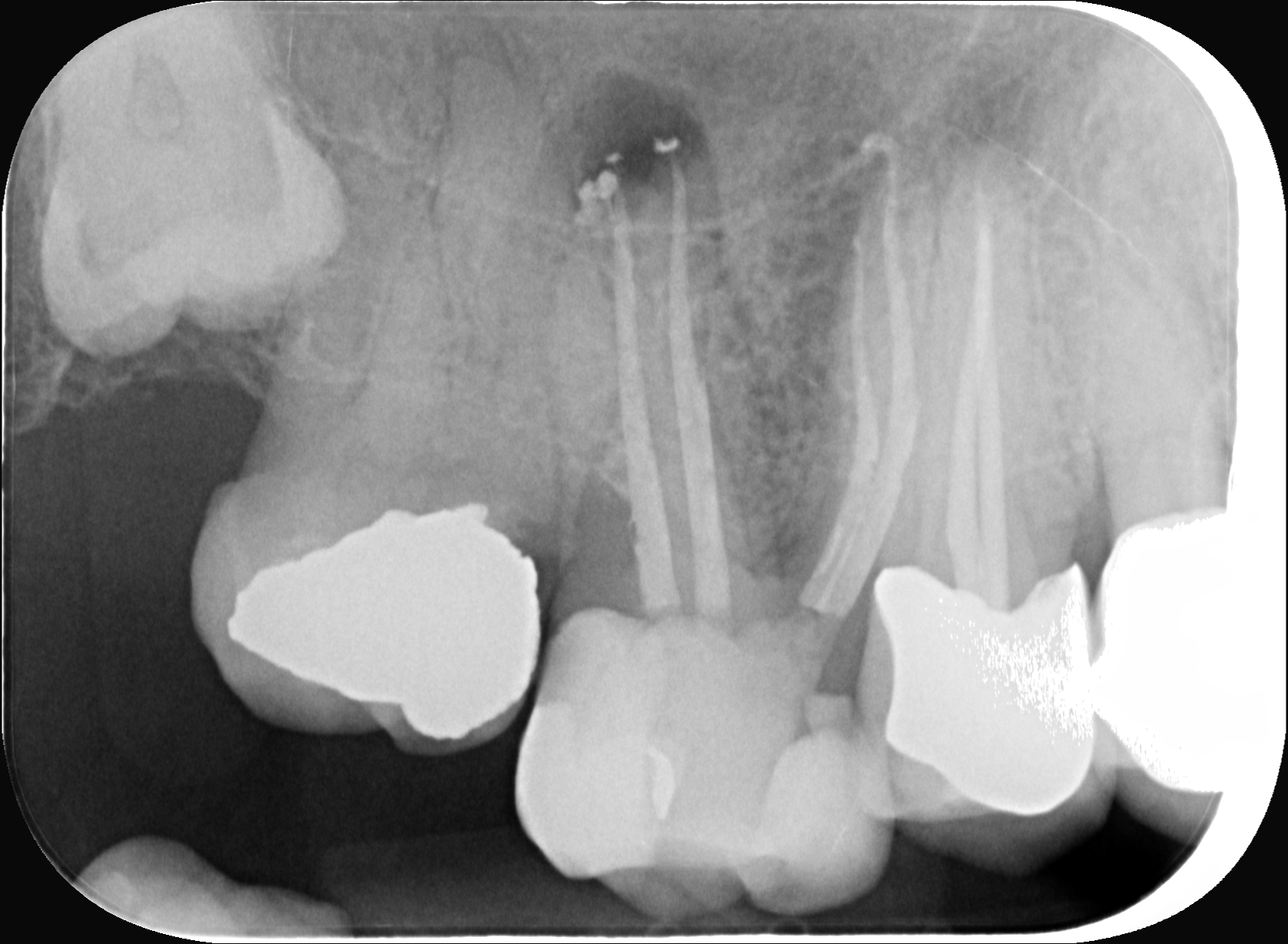
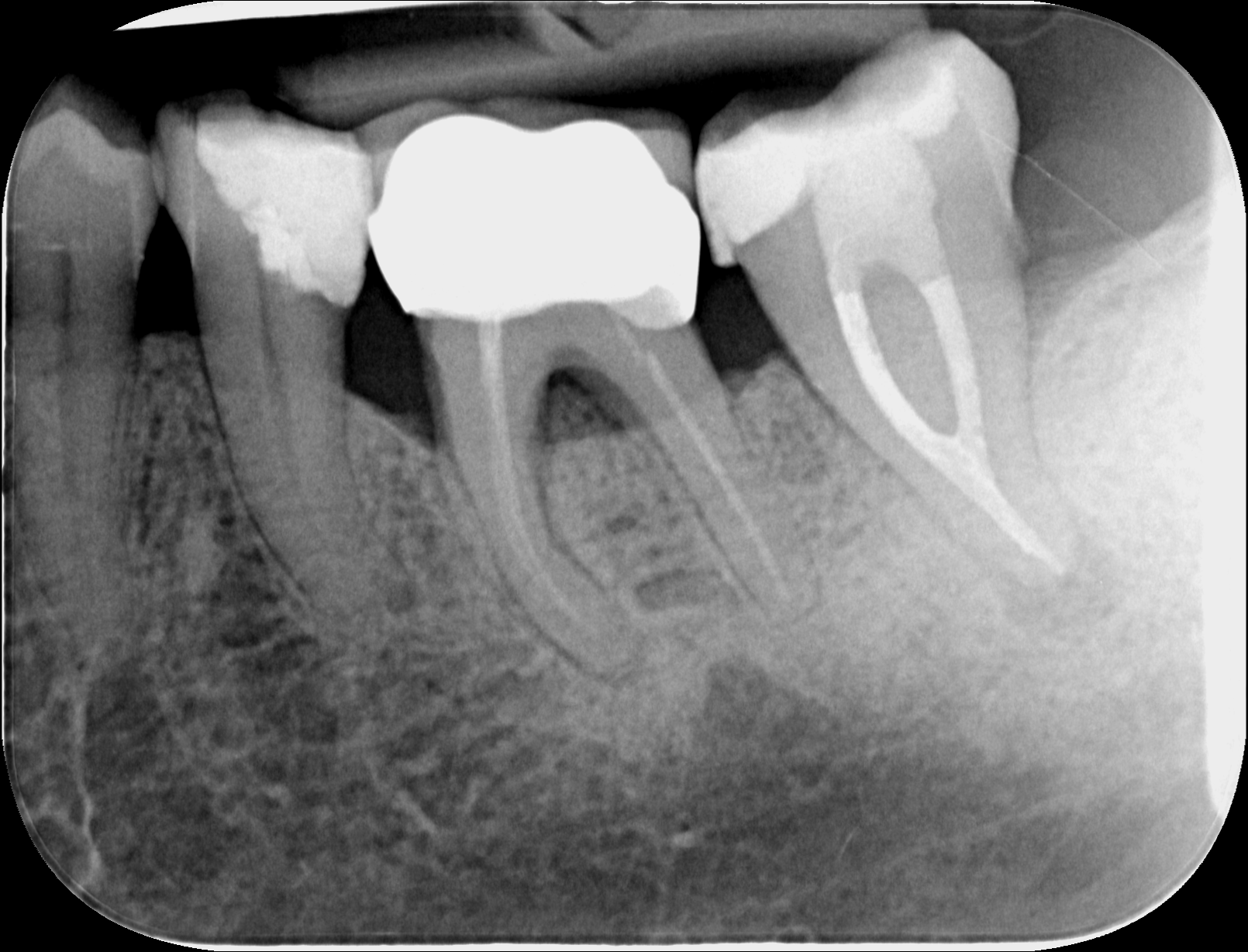
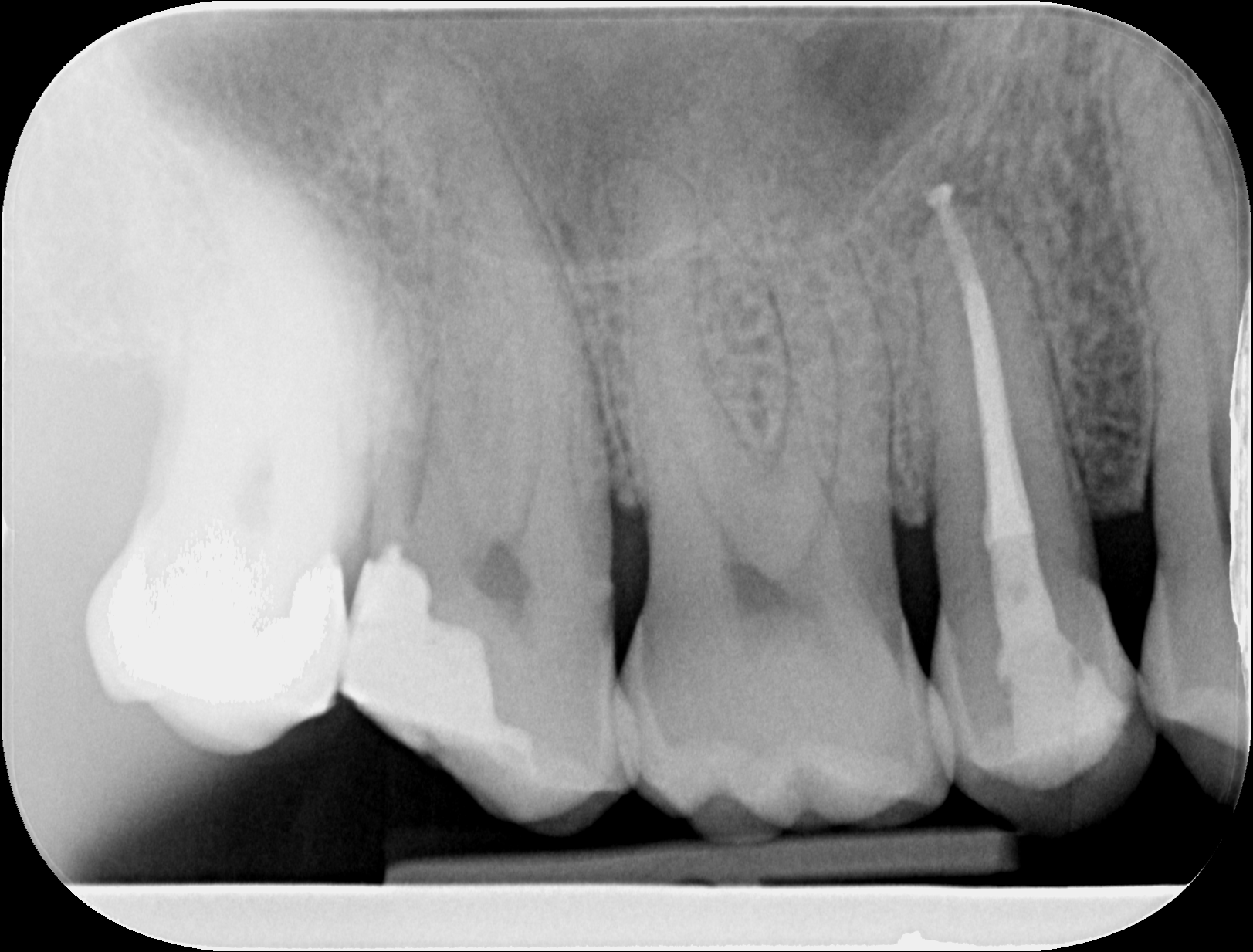
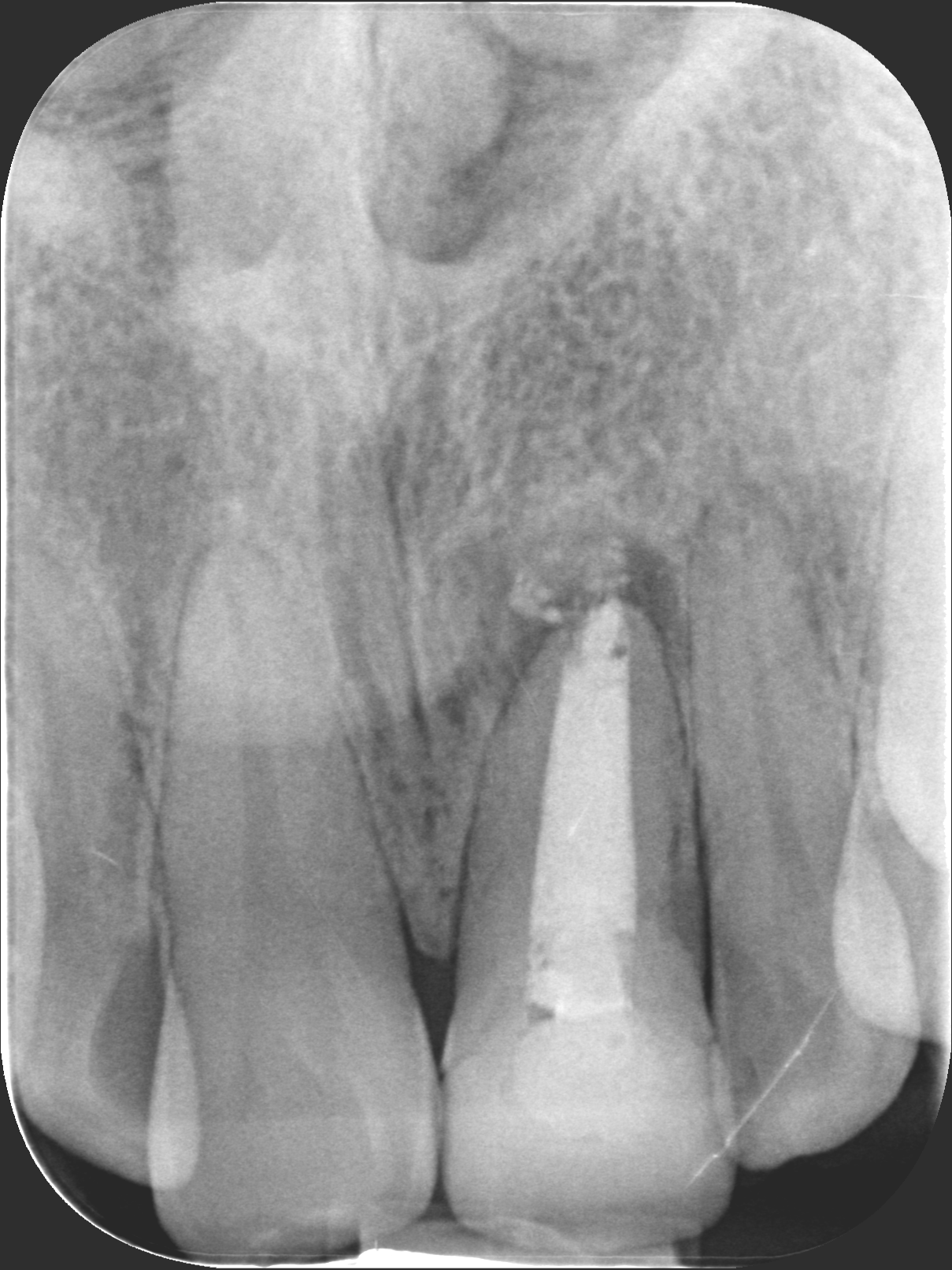
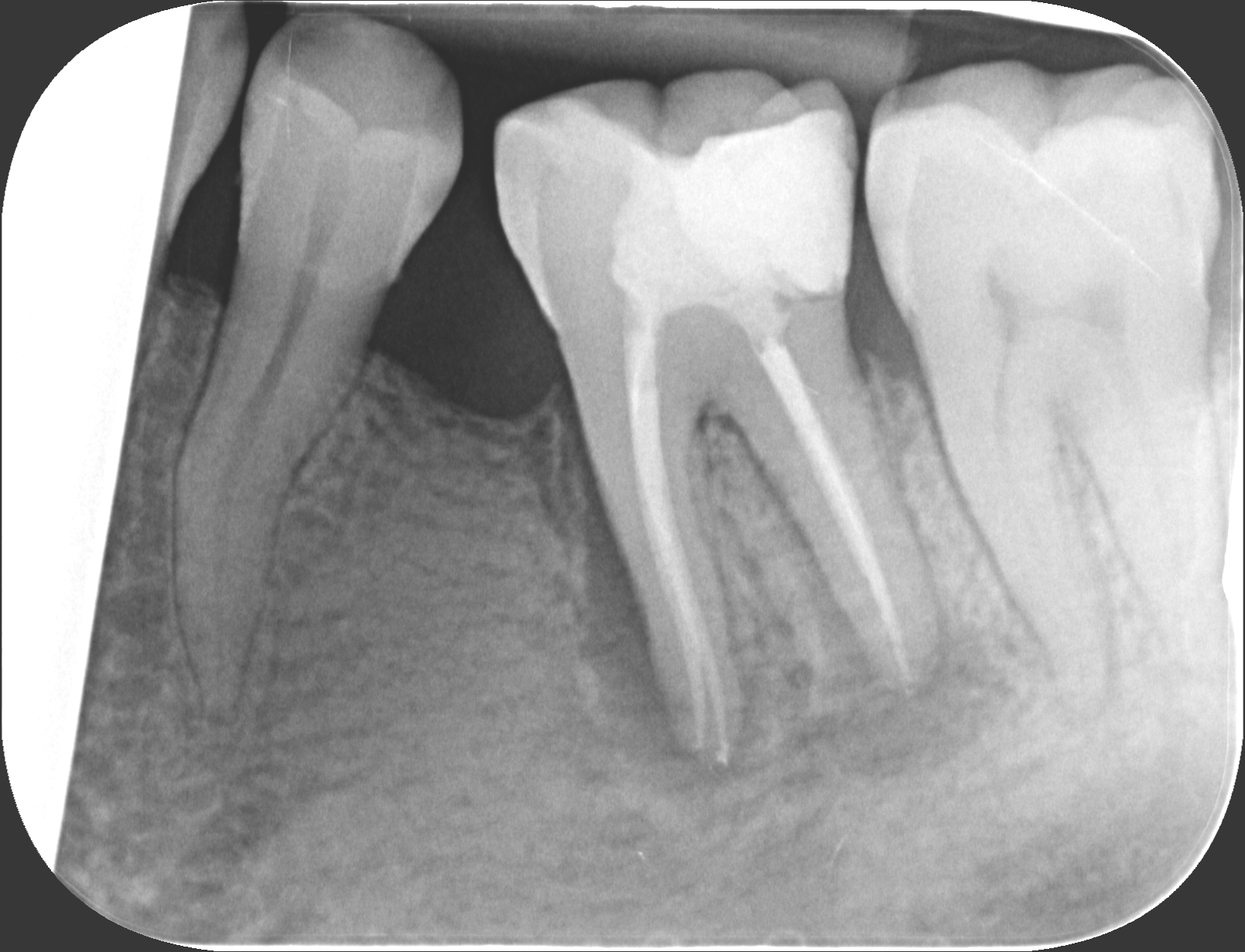
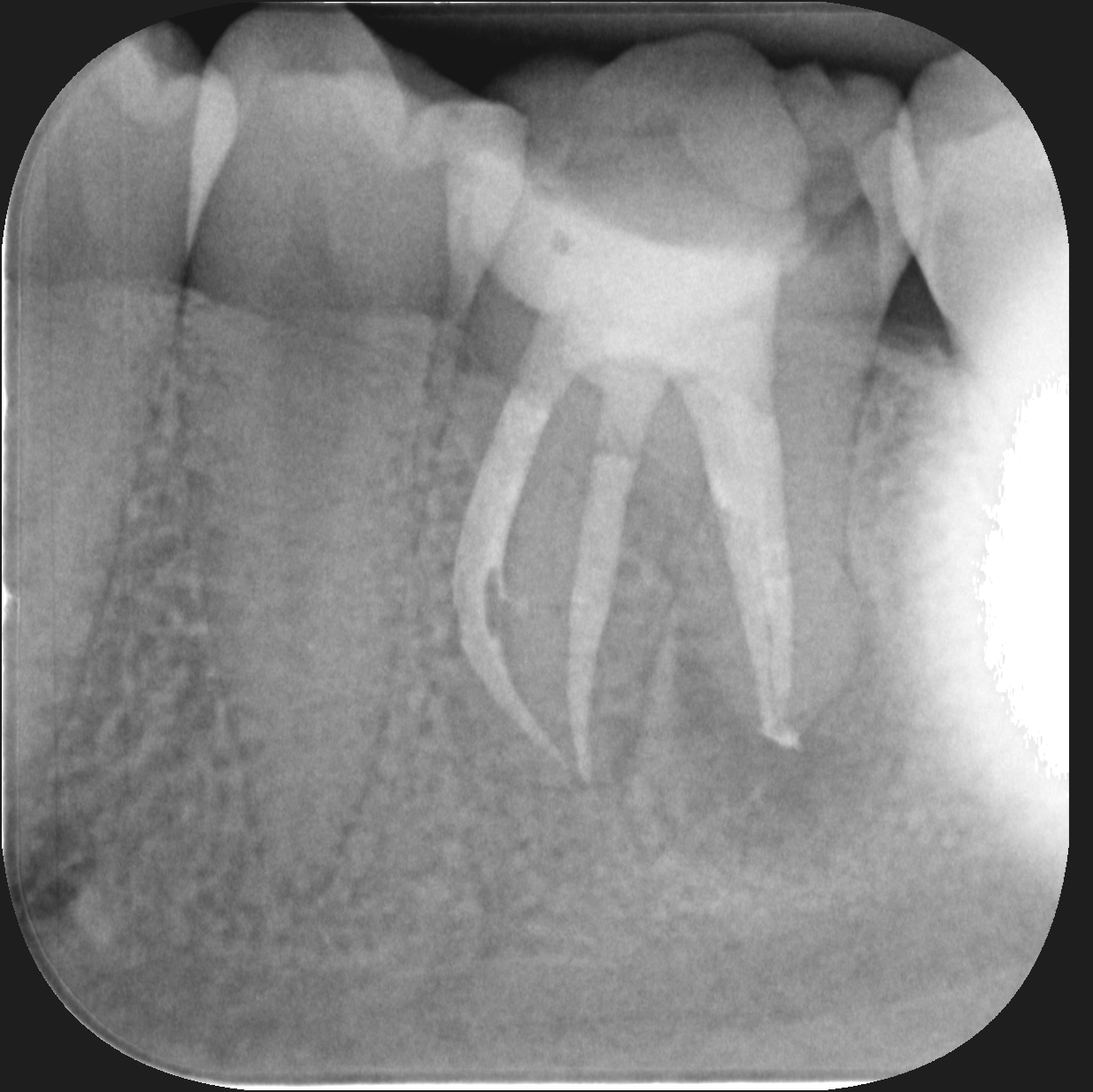
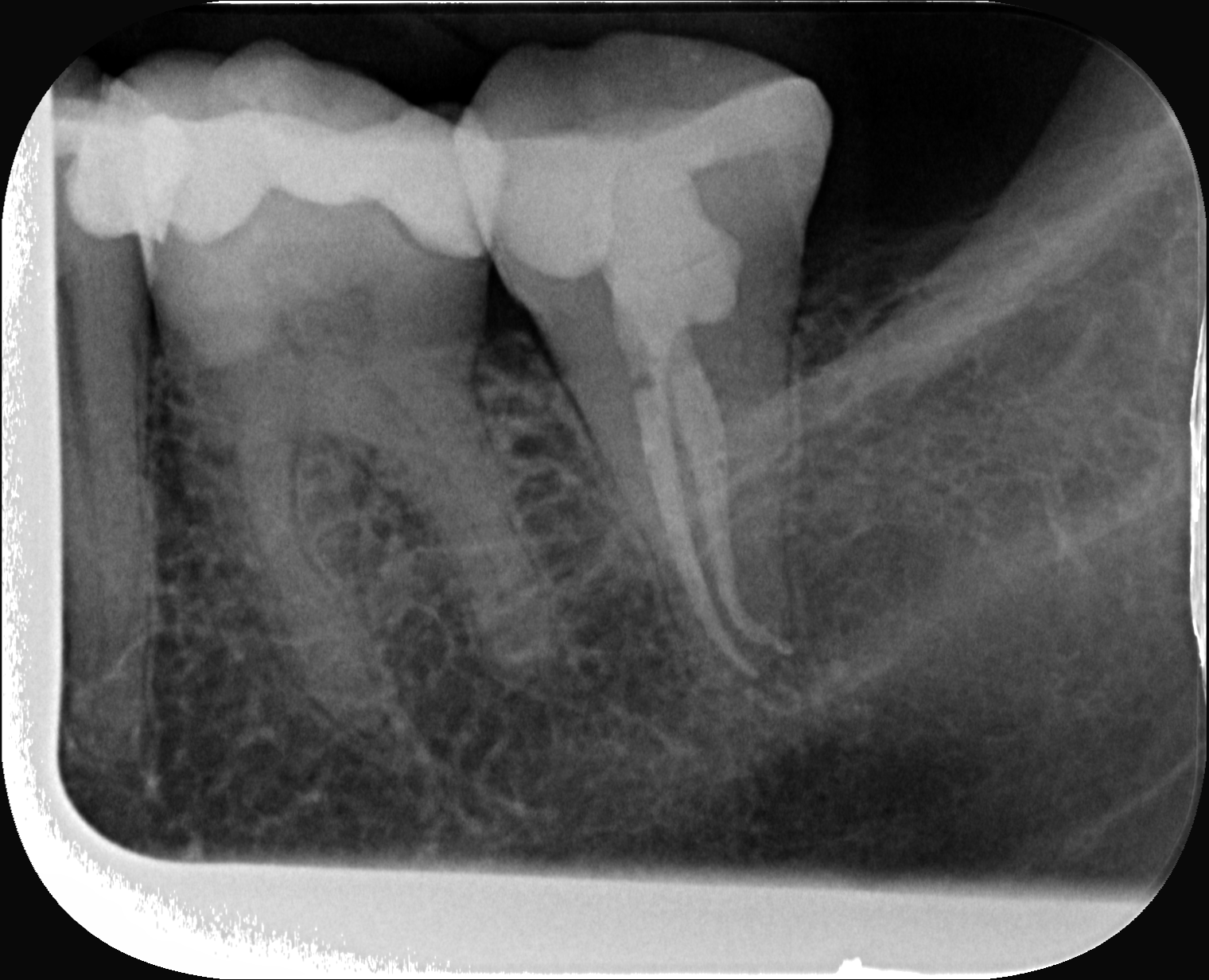
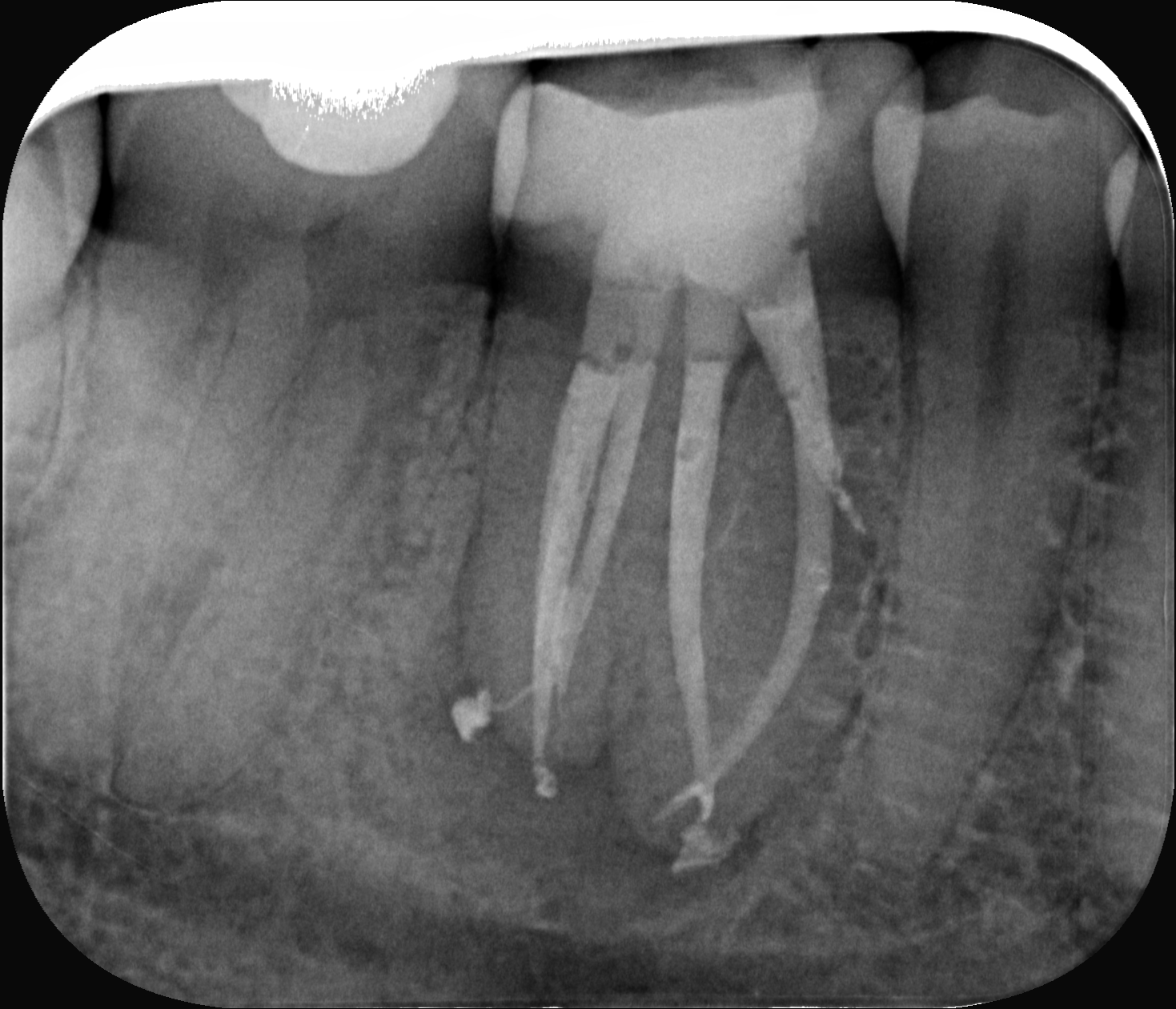
Benjamin Hamulic · Precision in every detail
Common questions about root canal treatment
Answers to questions patients often ask before and after root canal treatment.
How do I know if I need root canal treatment?
Symptoms vary. Some people experience severe pain, while others have few or no symptoms.
Common signs include:
- Toothache
- Sensitivity to hot or cold
- Pain when chewing
- Throbbing pain
- Swelling around the tooth
- Tenderness in the gums
- Tooth discolouration
In some cases, the problem is only detected on a radiograph during a routine dental examination.
Does root canal treatment hurt?
Many people associate root canal treatment with pain, but modern treatment is performed with effective local anaesthesia and is generally more comfortable than expected.
Most patients experience little discomfort during the procedure. The purpose of treatment is, in fact, to eliminate pain and infection.
The tooth may feel tender for a few days afterwards, particularly when chewing. This is common and usually subsides gradually.
How long does root canal treatment take?
Treatment time depends on the tooth and the complexity of the infection. A typical appointment lasts around 1 to 2 hours. Some teeth can be treated in one visit; others require several.
Can a tooth that has received root canal treatment last a lifetime?
Yes. A properly treated tooth that is well maintained can last for many years and sometimes for life. Good oral hygiene and regular dental examinations are important for lasting success.
How does root canal treatment save a tooth?
When the pulp is infected or necrotic, bacteria can spread through the root canals and cause inflammation around the root tip. Without treatment, this may lead to pain, abscess formation, bone loss and ultimately tooth loss.
During root canal treatment, infected or damaged pulp tissue is removed. The canals are then cleaned and sealed to control the infection and preserve the tooth.
Preserving the natural tooth is usually preferable because it:
- Maintains normal chewing function
- Helps maintain the position of neighbouring teeth
- Helps preserve the jawbone
- Provides the most natural result
Root canal treatment can therefore save a tooth that might otherwise need extraction.
Why do I need root canal treatment if I have no pain?
A tooth can have an inflamed or necrotic pulp without obvious symptoms. Infection around the root tip is sometimes first detected on a radiograph. The dentist assesses the need for treatment using the examination, tests and radiographic findings.
Can I return to work after root canal treatment?
Most people can resume normal activities the same day. However, numbness may last for a few hours and some tenderness is possible. Wait until the anaesthetic has worn off before chewing to avoid biting your cheek or tongue.
What can I eat after treatment?
You can usually eat once the local anaesthetic has worn off. Choose softer foods if the tooth is tender, and avoid chewing hard or sticky foods on that tooth until its final restoration is complete. Always follow the advice given after treatment.
Is pain after root canal treatment normal?
Mild to moderate tenderness, especially when chewing, may occur for several days and usually improves gradually. Contact your dentist if pain worsens, does not improve, or is accompanied by swelling or fever.
Will I need antibiotics for root canal treatment?
Usually not. For a localised infection, the priority is to treat its source by cleaning the root canals. Antibiotics may be appropriate in selected cases, such as spreading infection or systemic involvement, and are assessed individually.
Why is a crown often needed afterwards?
A tooth that has received root canal treatment may be weakened, particularly when substantial tooth structure has been lost. A crown or another suitable restoration can protect it from fracture and help it function for many years. The need depends on the tooth’s condition and position.
Can root canal treatment fail?
Yes. Although many root canal treatments succeed, infection can sometimes persist or recur. Causes include complex root canal anatomy, bacterial reinfection or a leaking restoration. Depending on the circumstances, retreatment or another procedure may be possible.
Why do I need an appointment to monitor healing?
A clinical examination and, when indicated, a radiograph help determine whether the tissues around the root tip are healing as expected. Bone healing often takes months, and some cases require a longer period of monitoring.
Can I fly or exercise after root canal treatment?
Many patients can travel and undertake light exercise as normal, depending on how they feel. Rest may be advisable after more extensive treatment or if tenderness occurs. Ask your dentist if you have particular plans or symptoms.
When should I seek urgent dental care?
Contact a dentist promptly if you develop increasing swelling, severe or worsening pain, fever or difficulty opening your mouth. Seek emergency medical care immediately if you have difficulty breathing or swallowing.
Feeling confident throughout your treatment
Many patients feel anxious before root canal treatment. I take time to explain each step and help you feel comfortable throughout the process. My aim is always to provide careful treatment focused on comfort, quality and preserving your natural teeth.